
Interdisciplinary PhD study explores gender influences, vulnerability, resilience to climate change
University of KwaZulu-Natal September 23, 2023 News desk
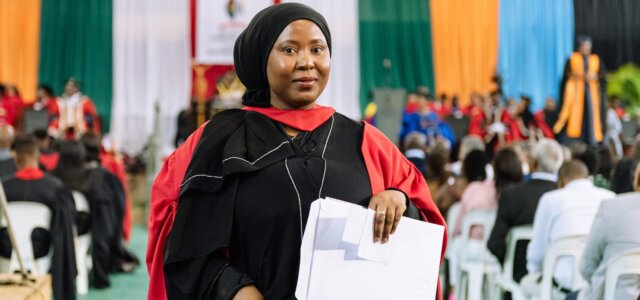
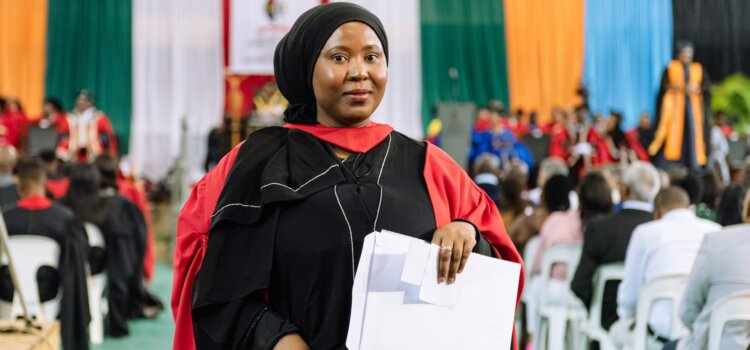
PhD graduate, Dr Thandeka Ndaba has conducted a ground-breaking study into the relationship between gender, vulnerability, and resilience in the face of climate change.
The interdisciplinary research located in Gender Studies was supervised by Professor Maheshvari Naidu, Full Professor in Anthropology in the School of Social Sciences in the College of Humanities and Professor Onisimo Mutanga, Full Professor in Remote Sensing and SARChI Chair in Land Use Planning and Management in the School of Agricultural, Earth and Environmental Sciences.
Increasingly, said Naidu, high-impact studies need to be interdisciplinary and draw on a wider cognate range of theoretical and methodological approaches. ‘As supervisors, we are incredibly proud of Thandeka who was able to gather high-quality data and who has managed to finish her PhD in the minimum prescribed time,’ added the supervisors.
The study’s framework, the uMngeni Resilience Project, investigated this subject in the context of the communities of Swayimane and Nhlazuka, particularly females, to understand how gender influences vulnerability and resilience to climate change and identify potential strategies for promoting gender-sensitive adaptation and mitigation measures.
‘The study looked at the difficulties these farmers confront and their unique need for resources, training, social networks, and Early Warning Systems (EWS) for climate change adaptation. The study added to the body of knowledge on how early warning systems, climate change and gender interact, emphasising the need for policies that consider the special needs and vulnerabilities of female farmers in rural South African communities,’ said Ndaba.
The research highlights the potential of empowering women to combat climate change and promote sustainability. It encourages policymakers to prioritise gender equality in climate change initiatives and identifies strategies and interventions for women’s empowerment, highlighting the social, cultural, and economic benefits of gender-responsive climate policies.
For Ndaba, some of the highlights of her research have been the opportunity to engage directly with women farmers from Swayimane and Nhlazuka as it allowed her to witness first-hand the power of community collaboration in addressing the complex issues that arise for women due to climate change.
‘The level of participation and enthusiasm from the women was truly remarkable. They shared stories of how they had taken initiatives to adapt to the changing climate, such as implementing sustainable farming practises, building support structures among themselves, and educating their communities on the importance of adapting to weather-related hazards and disasters,’ she added.
She is grateful for support from her friends and family through her studies. ‘My family and friends were incredibly supportive throughout my research journey. They provided emotional encouragement, and their support and belief in me played a crucial role in my success and ability,’ she said.
Ndaba also expressed gratitude to her supervisors for their unwavering support and encouragement in shaping her research and pushing her to explore new ideas. ‘Their unwavering encouragement allowed me to finish my PhD, fostering an environment conducive to collaboration and growth. Their guidance and mentorship not only shaped my research findings but also made me a more critical thinker and resilient individual.’
Her plans include continuing to advocate for gender-responsive climate policies through various avenues and working closely with policymakers to ensure the incorporation of gender perspectives in climate action plans at both local community and national levels.

News desk
News desk writes, collates and publishes relevant news for Yiba.


